Archive
Browse our complete collection of past intelligence memos, deep dives, company profiles, and industry analysis.

Try It on a Tuesday
AI made it cheap to try. The laboratories that pull ahead will try across the whole business, on purpose, in small pieces, and keep only what their own workflows prove.
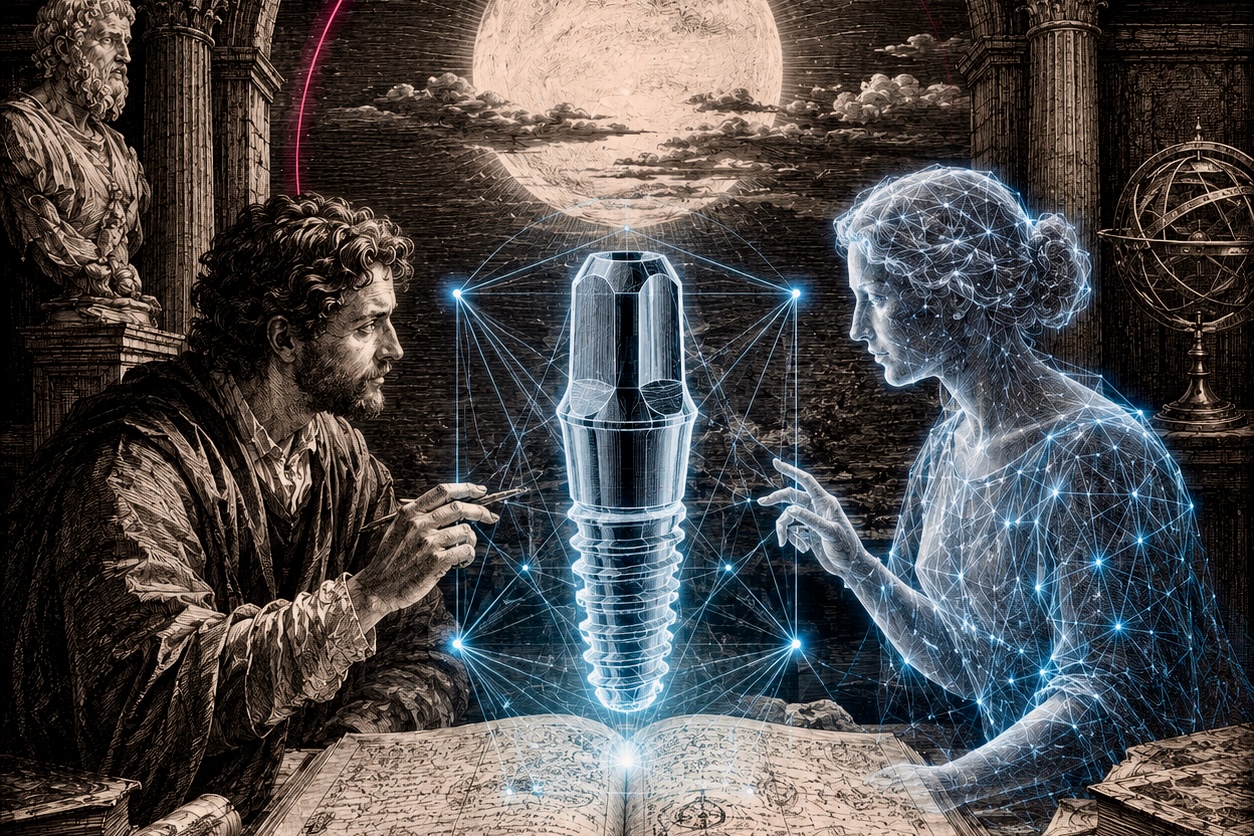
The AI That Knows When It Doesn't Know
What scanbody identification reveals about trust, uncertainty, and the future of dental AI. How recognition differs from validation, why confidence isn't calibration.
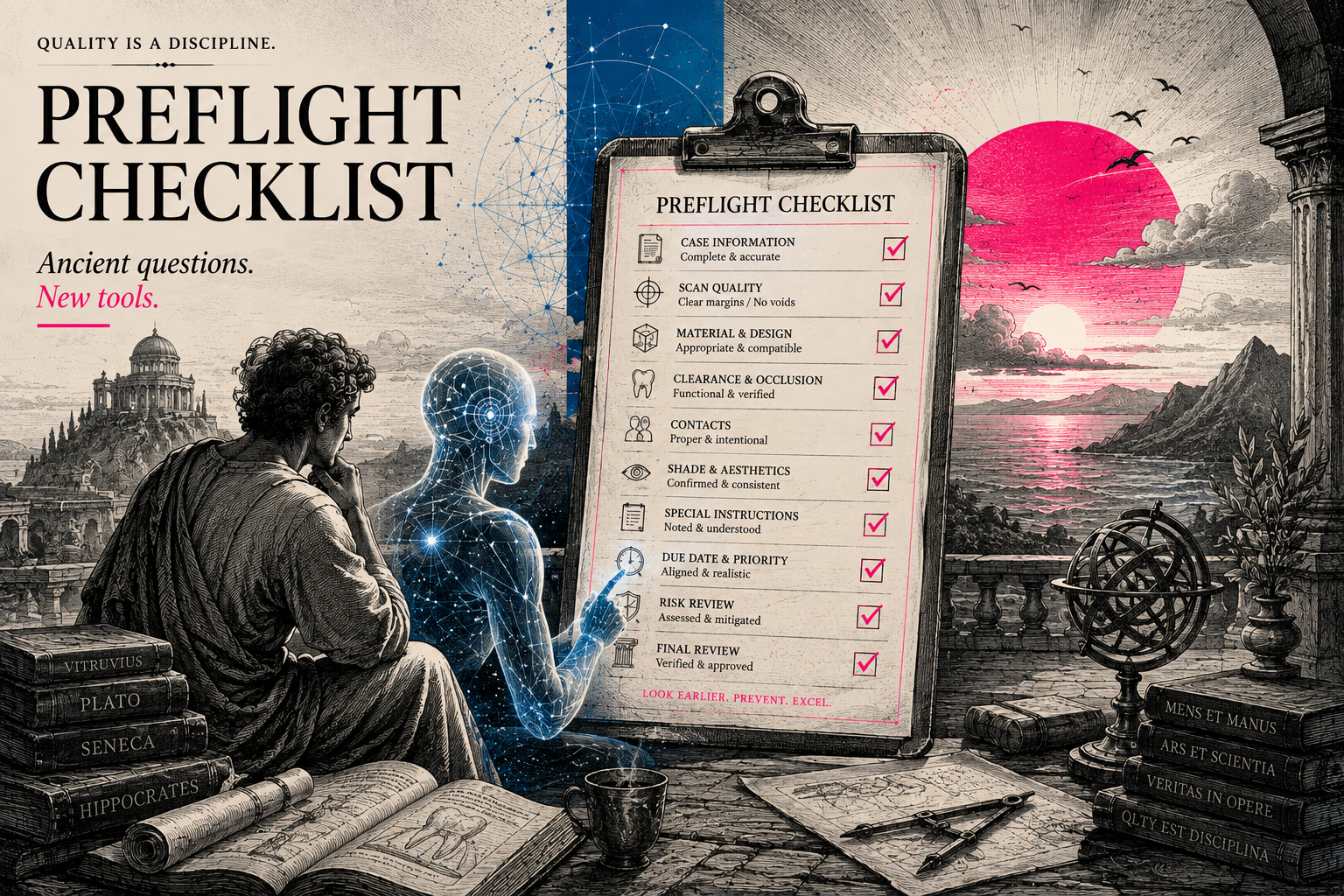
Preflight Checklist: Good Enough Was a Budget
AI won't make your laboratory perfect. It may make exceptional diligence practical for ordinary work.

The Dental AI Paradox: Cheaper Expertise, More Powerful Platforms
AI is making diagnosis, design, and automation more accessible. But as it becomes infrastructure, data and bargaining power may flow toward a few integrated ecosystems.
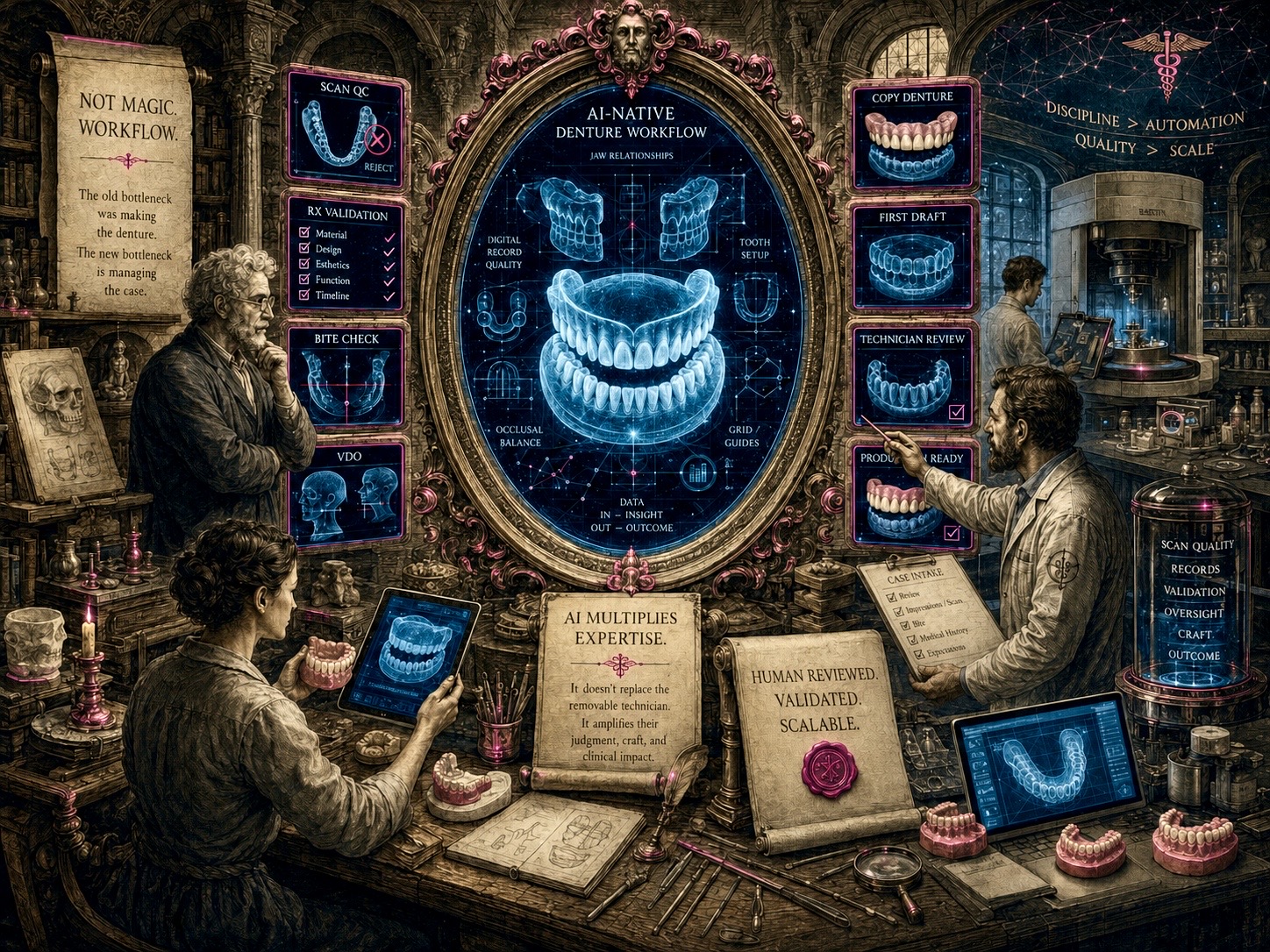
For Lab Owners, the AI Denture Opportunity Starts Before Design
The next shift in removables is not a magic design button. It is AI-assisted intake discipline, bad-record detection, setup review, and production handoff.

The New Dental AI Divide
In digital dentistry, the advantage won't go to the people who can build AI. It will go to the people who can direct it, verify it, and fit it safely into real workflows.
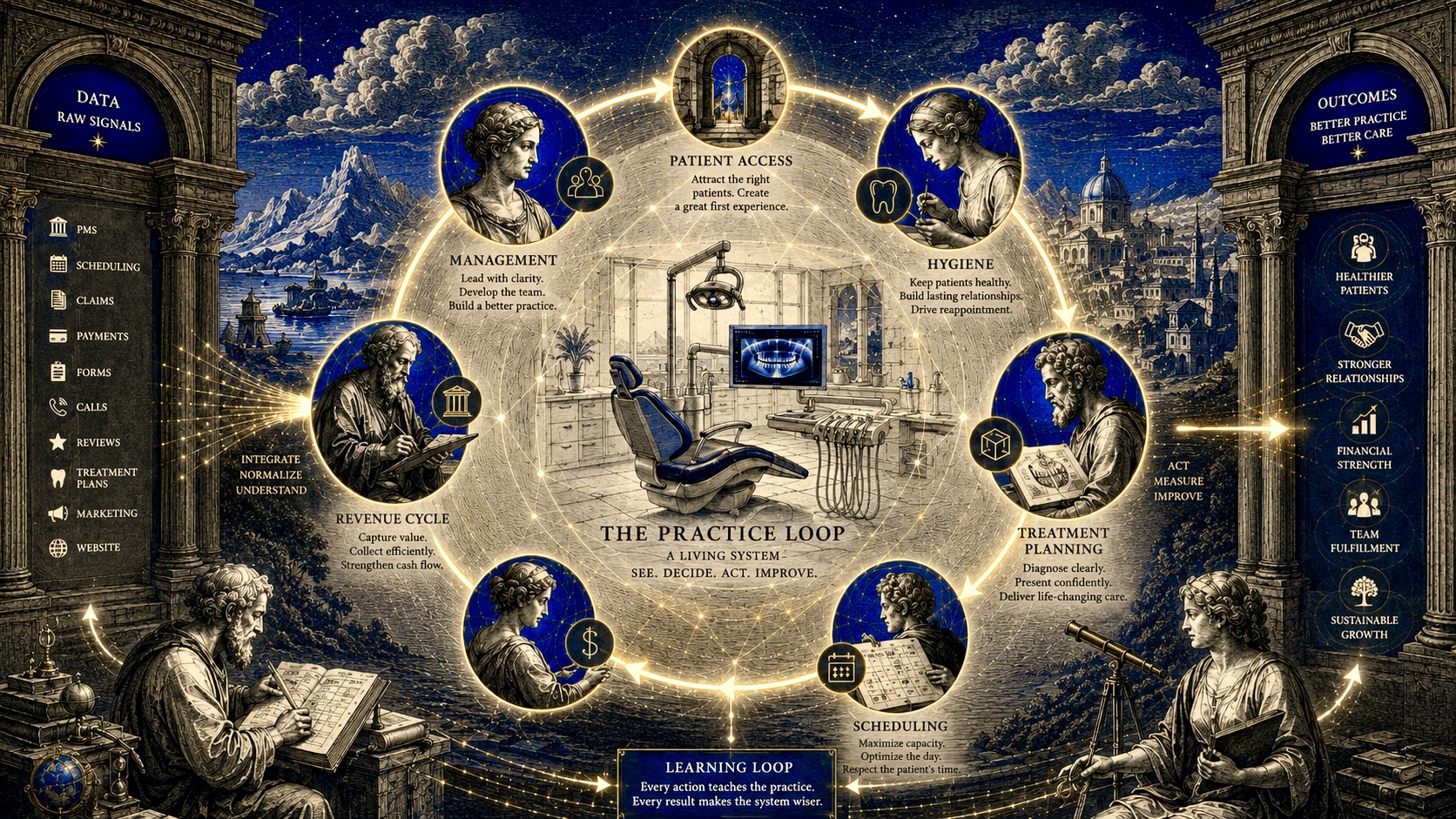
Beyond Dashboards: The Rise of Dental Operating Intelligence
How AI is turning dental practice data into decisions, workflows, and accountability.

AI Gets the Headlines. Materials Make it Real.
Mitsui Chemicals and the hidden material infrastructure beneath dentistry’s digital revolution
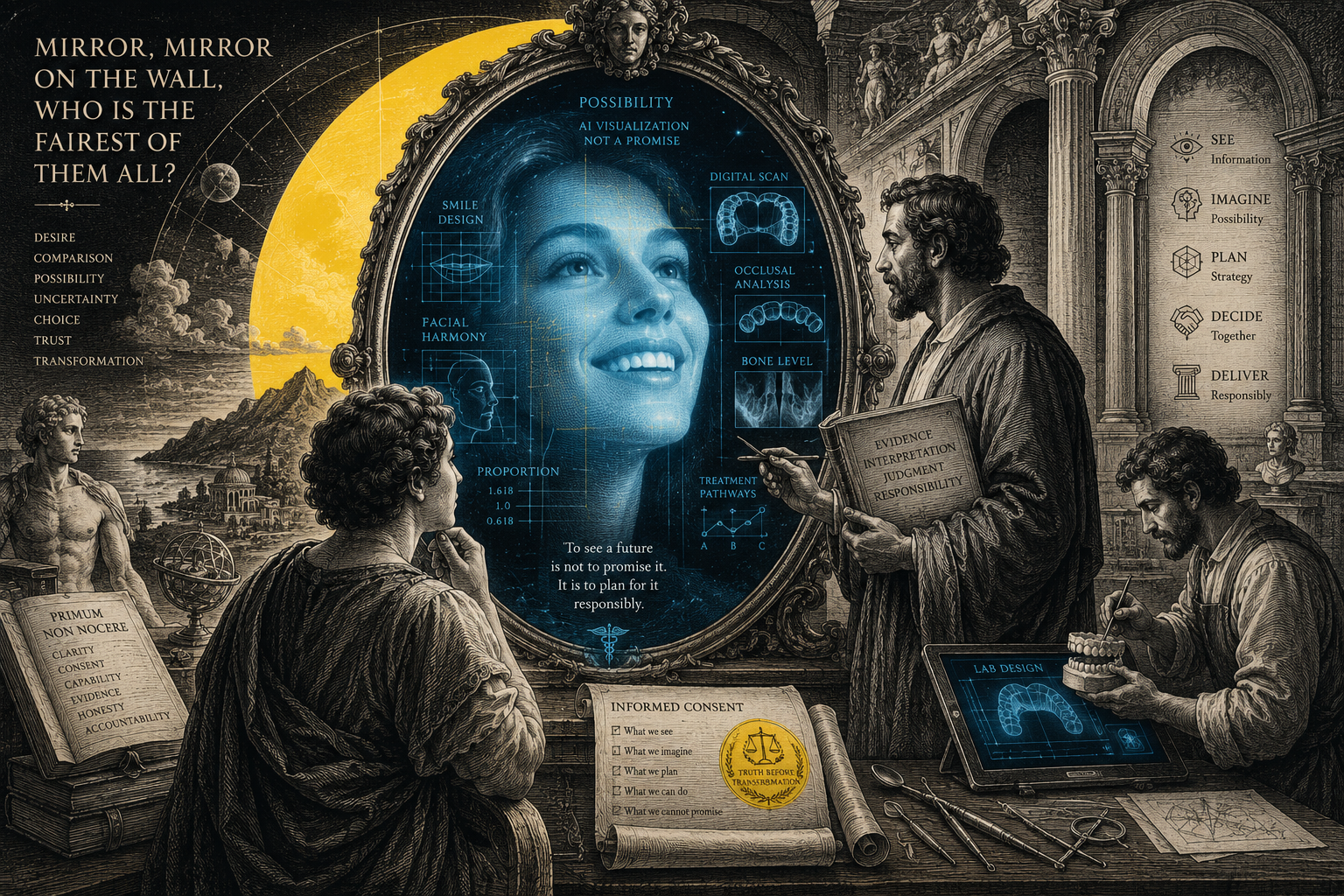
The New Visual Decision Layer in Dentistry
AI is moving into the space between clinical evidence and patient decision-making, changing case presentation from an explanation into an experience.
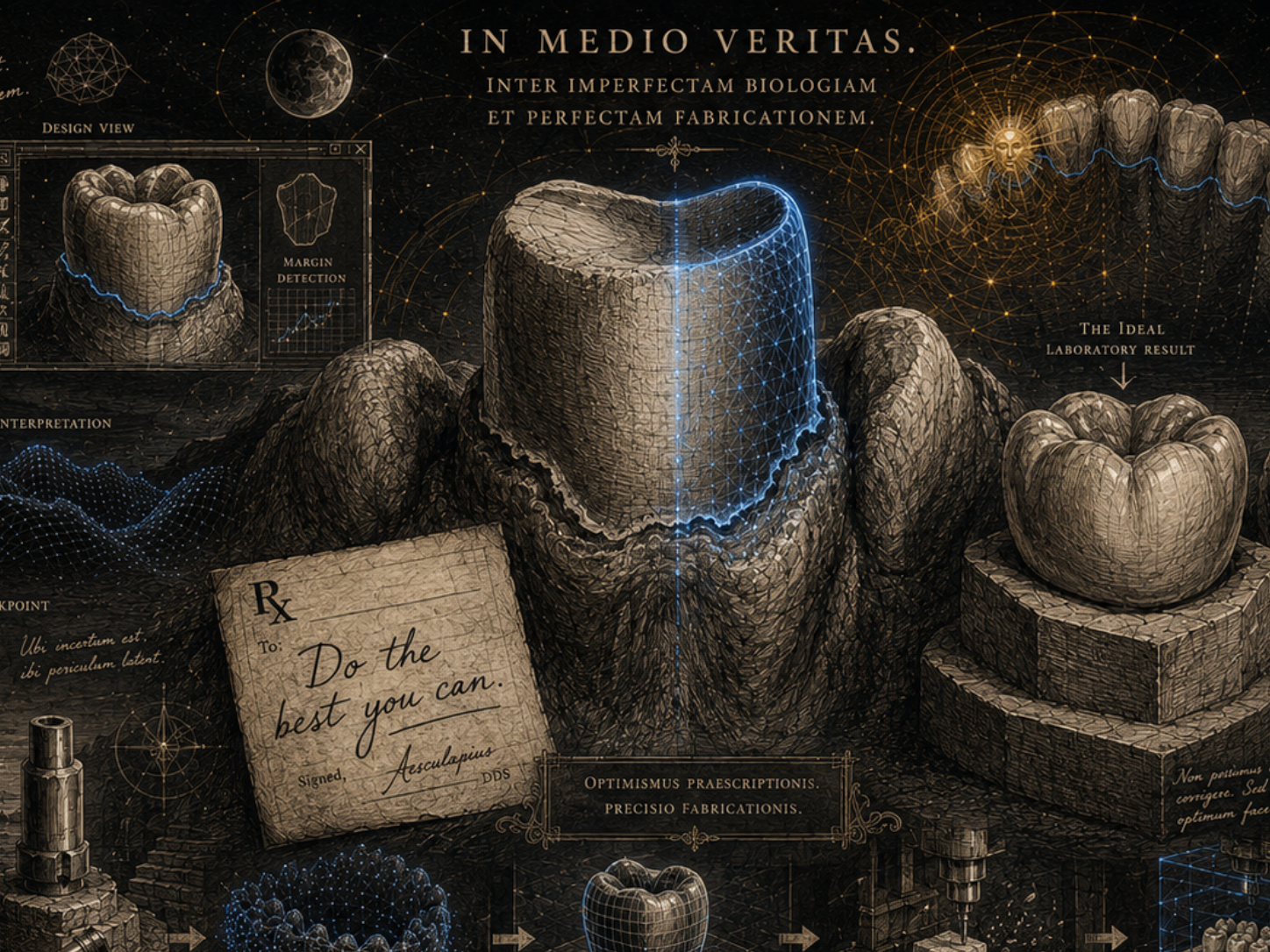
Do the best you can
Six words that sound like encouragement, humility, and uncertainty, often all at once.

The Dental AI Race Isn’t About Technology. It’s About Who Controls the Workflow.
The real battle in dental AI is not the model, the app, or the interface. It is the operating layer that shapes how cases move, decisions get made, and labs stay in charge.

The Dental Lab Technician Isn't Disappearing. The Job Is Being Rewritten.
AI, CAD automation, design outsourcing, milling, 3D printing, and robotics are not ending the technician's role. They are moving the bottleneck from hand production to judgment, orchestration, and trust.
VideaAI and the Quiet Race to Own the Dental Workflow
How one dental AI company is moving from X-ray detection into documentation, claims, communication intelligence, and practice performance.

Dental AI Has Entered Its Regulation Era
The next phase of dental AI will be shaped less by dazzling algorithms than by validation, liability, interoperability, reimbursement, privacy, and clinical trust.

The Future of Zirconia Is Not Just Stronger. It’s Faster.
Fast-sintering zirconia points to a new phase in crown-and-bridge production, where material science, sintering strategy, and lab workflow merge into one competitive advantage.

The Dental Lab Is No Longer a Place. It’s a System.
Automated Micro-CT file delivery is only the surface. The bigger story is the rise of connected lab infrastructure, where scans, cases, software, and production steps begin to move as one coordinated workflow.
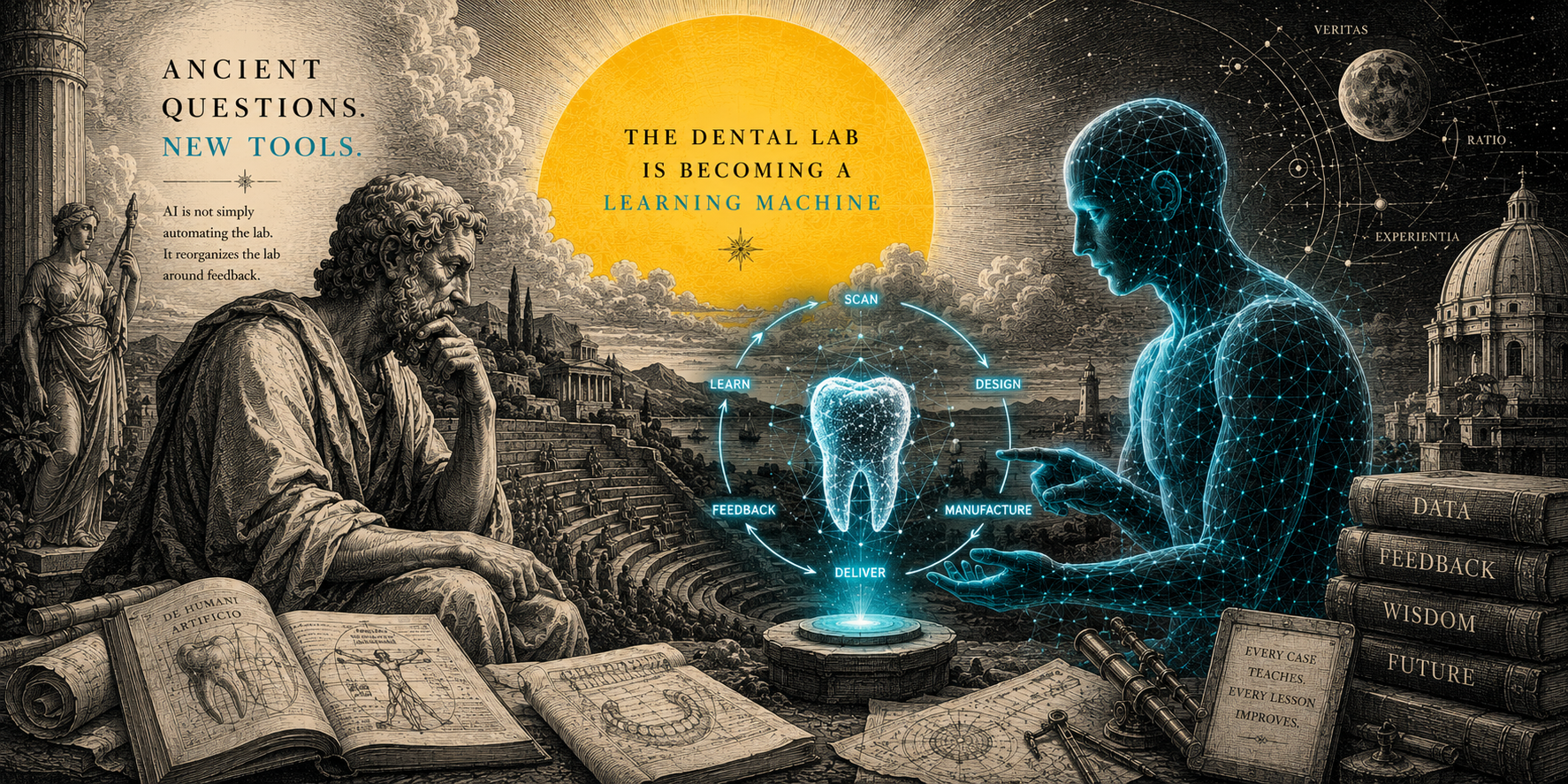
The Dental Lab Won’t Just Make Crowns. It Will Learn From Them.
AI is turning dental labs into closed-loop systems where every scan, design, remake, adjustment, and delivery teaches the next case.
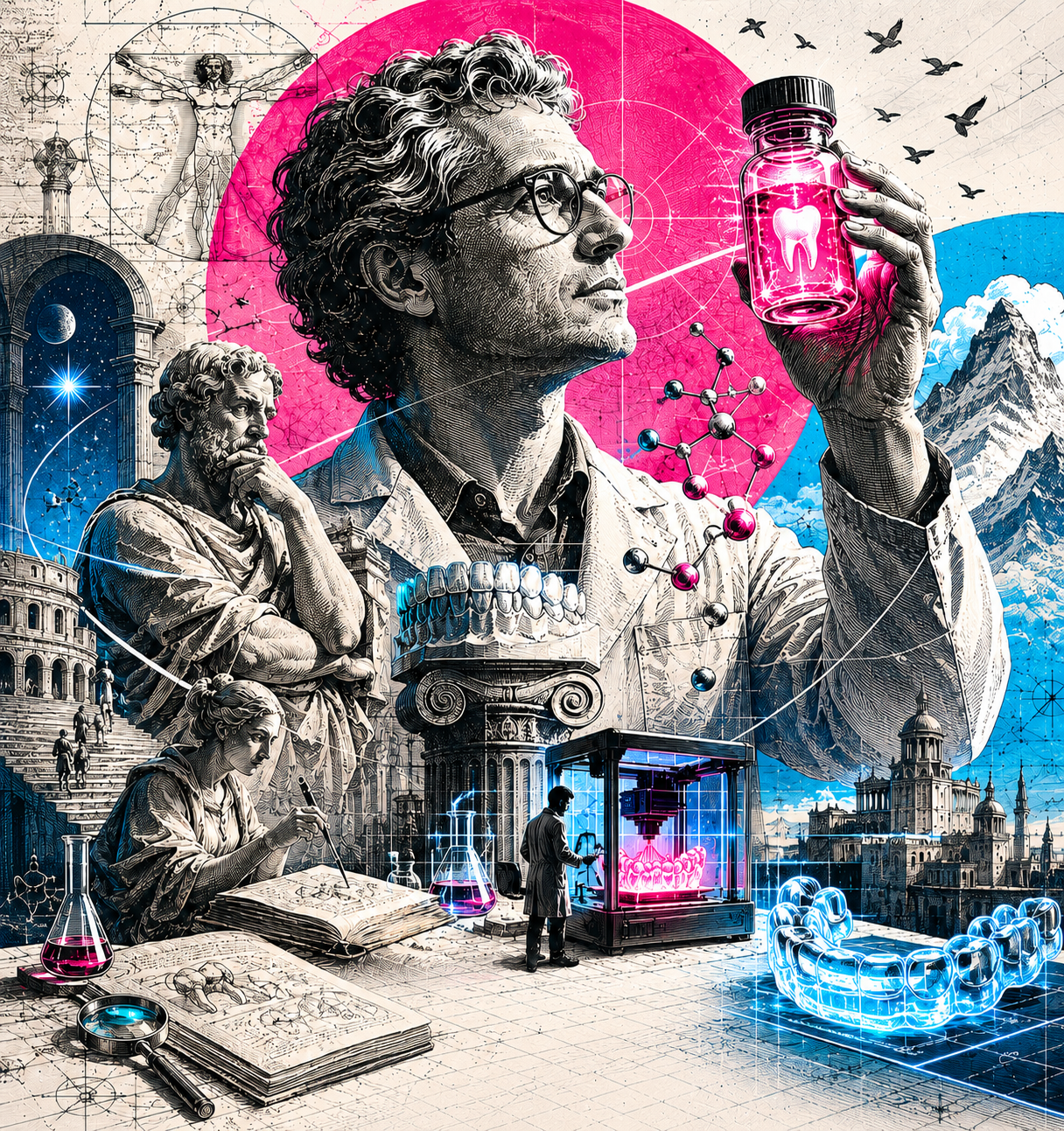
The Next Shift in Dental Manufacturing Is Inside the Bottle
Printers capture the attention, but the underlying photopolymer chemistry and regulatory validation may determine the actual limits of digital dentistry.
The Future of the Dental Lab Is Material Intelligence
Russell A. Giordano II’s research reveals a quiet truth about modern dentistry: the labs that win may not just design better restorations. They may understand the science beneath them better than anyone else.
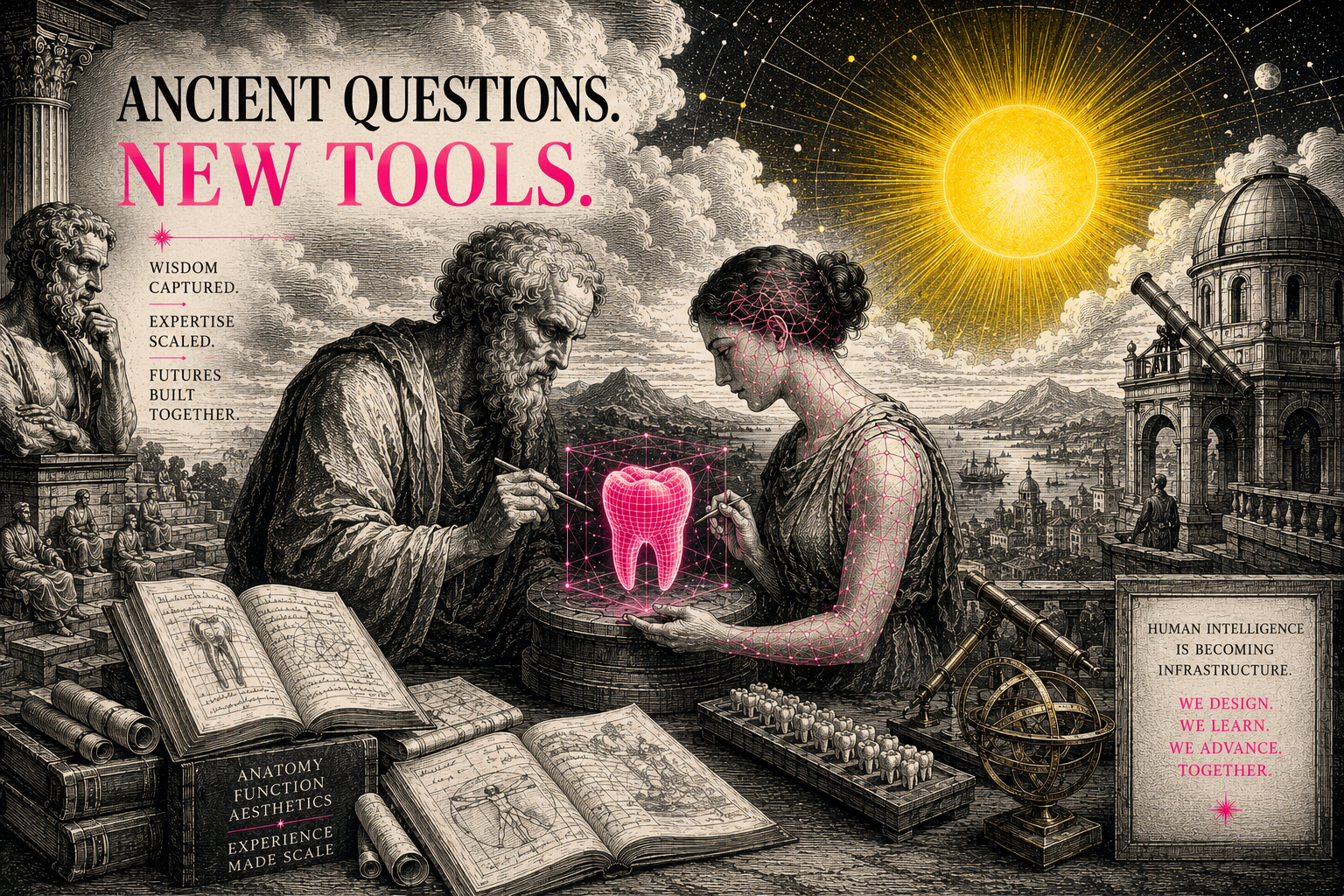
Dental AI Is Moving Into the Workflow
AI is shifting from isolated tools into the operating layer of dentistry, where scans, cases, designs, decisions, and feedback begin to move together.
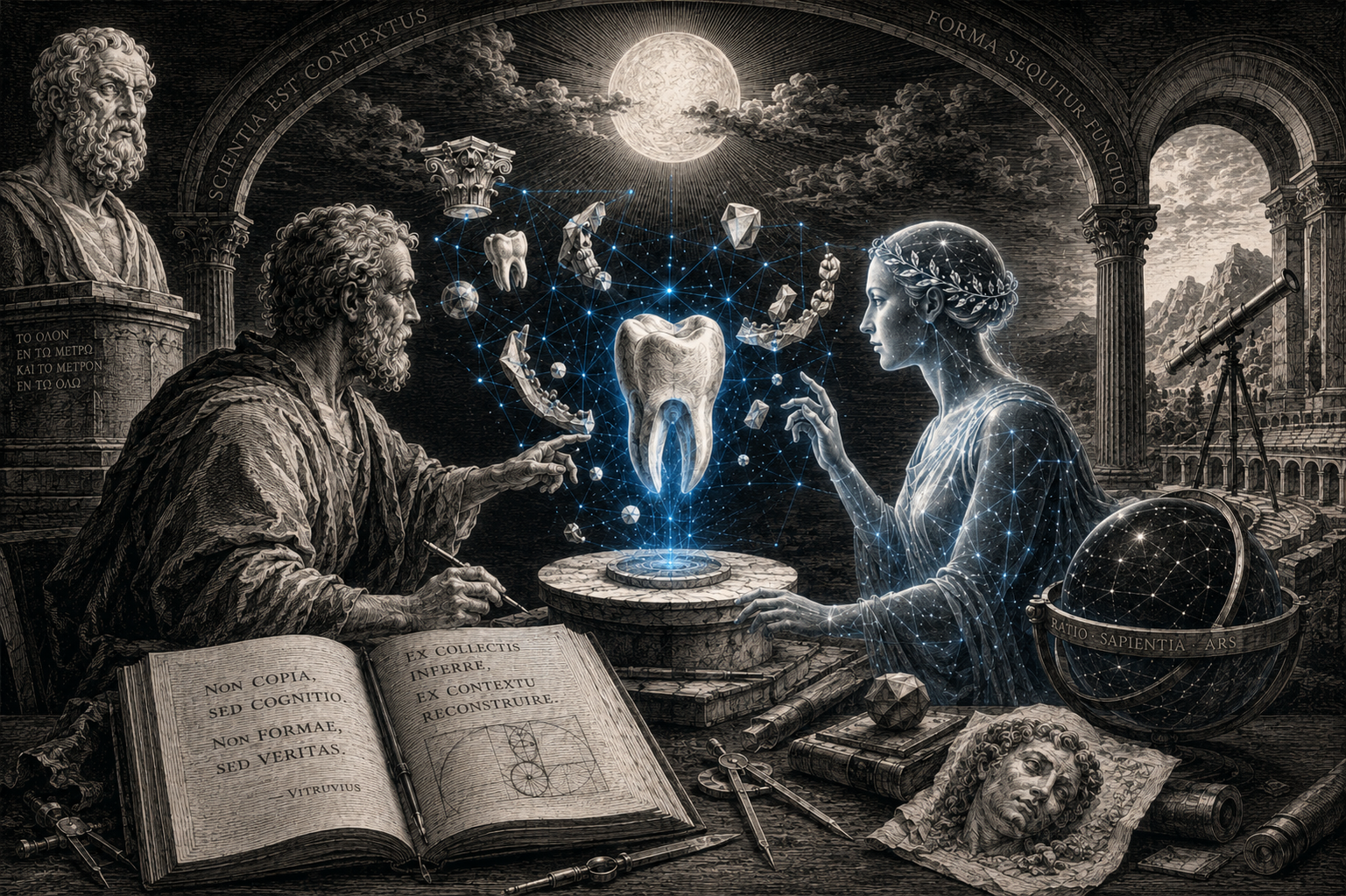
Before Dental AI, There Was Biogeneric
How Sirona taught CAD software to infer teeth from the patient—not just select them from a library.